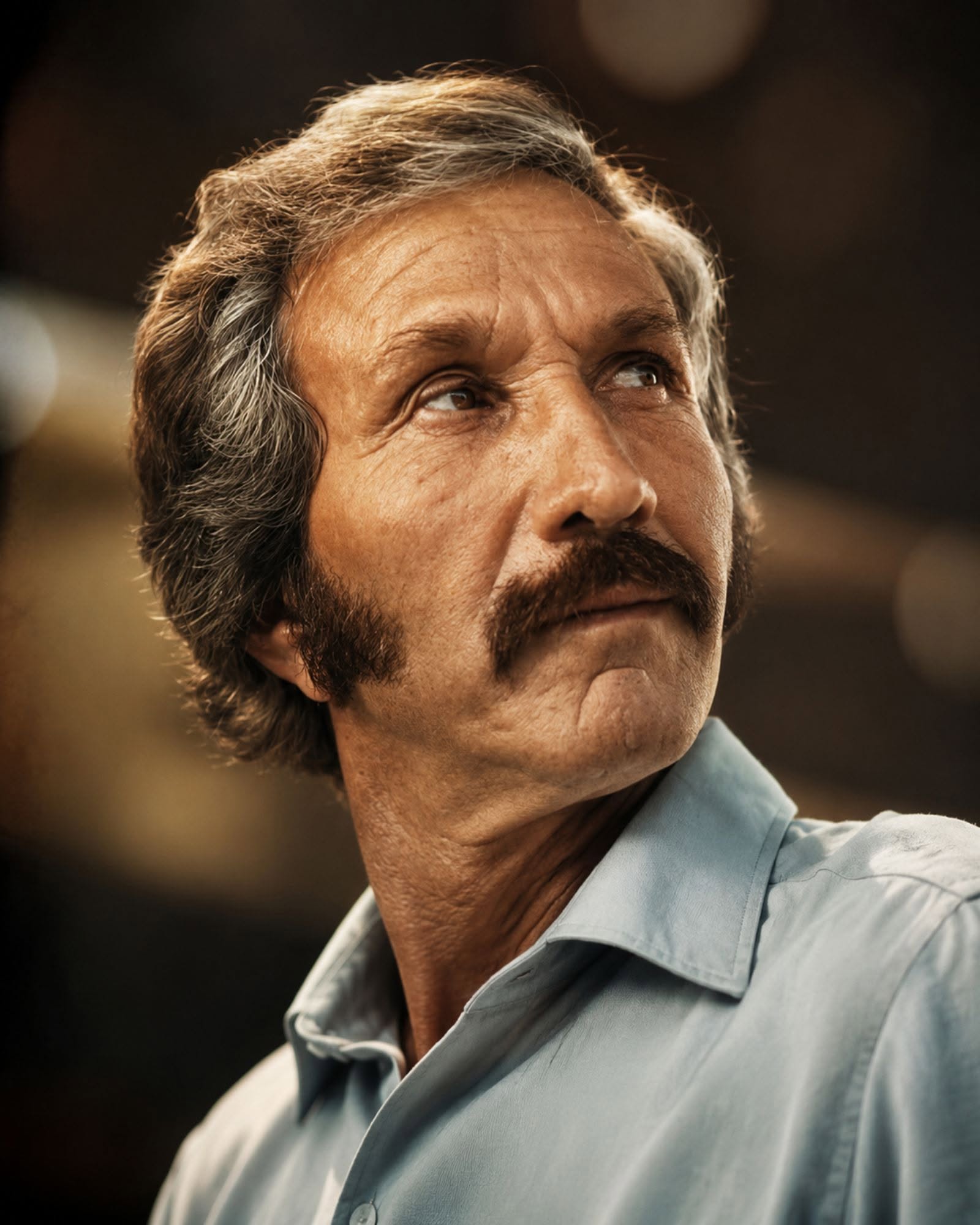
Marty Robbins Was Buried in a Room Full of Country Music Giants
When Marty Robbins died on December 8, 1982, Nashville did not say goodbye quietly. His funeral at Woodlawn Funeral Home drew an estimated 1,500 people, and the main chapel overflowed. Three smaller chapels filled too. People stood in the hallway just to be near the service, as if proximity itself could help them hold on to the moment.
The crowd was not just large. It was extraordinary. Johnny Cash and June Carter Cash came. So did Eddy Arnold, Roy Acuff, Charley Pride, Porter Wagoner, Ricky Skaggs, and Brenda Lee. The room held giants of country music, gathered together in a silence that seemed almost impossible so soon after the shock of his death.
What made the day even more striking was how recently the world had honored Marty Robbins. In October 1982, just eight weeks before the funeral, Marty Robbins was inducted into the Country Music Hall of Fame. For a singer who had already given country music so much, the timing felt almost cruel. He had finally received one of the highest honors in the genre, and then, before the year was over, his voice was gone from the world that loved it most.
Marty Robbins was never easy to reduce to one song, even though “El Paso” remains one of the defining records in country music history. He had 18 No. 1 hits, and his style could move from smooth pop-country to wide-open western storytelling without losing its identity. His music carried the spirit of the American West, but it also carried tenderness, loneliness, pride, and memory.
Before the service began, his own songs played softly over the funeral home intercom. That detail says a lot about Marty Robbins. Even in mourning, his voice was still there, filling the building with the sound that had made so many people feel less alone.
Brenda Lee sang “One Day at a Time.” Reverend W.C. Lankford gave the only eulogy, and he found the line that seemed to fit the moment: Marty Robbins had mended thousands of broken hearts each year as his songs touched the very soul of America. It was the kind of statement that might sound grand anywhere else, but in that chapel, surrounded by the people who knew the weight of a great country song, it felt true.
One radio man once said Marty Robbins did not really have fan clubs. He had people who loved him fiercely, ready to defend his name to anyone. That may be the clearest sign of how deeply he mattered. He was not just admired. He was claimed.
After the public farewell, Marty Robbins was buried in a private ceremony in the hills of middle Tennessee. The crown had come late, but the songs never needed it.