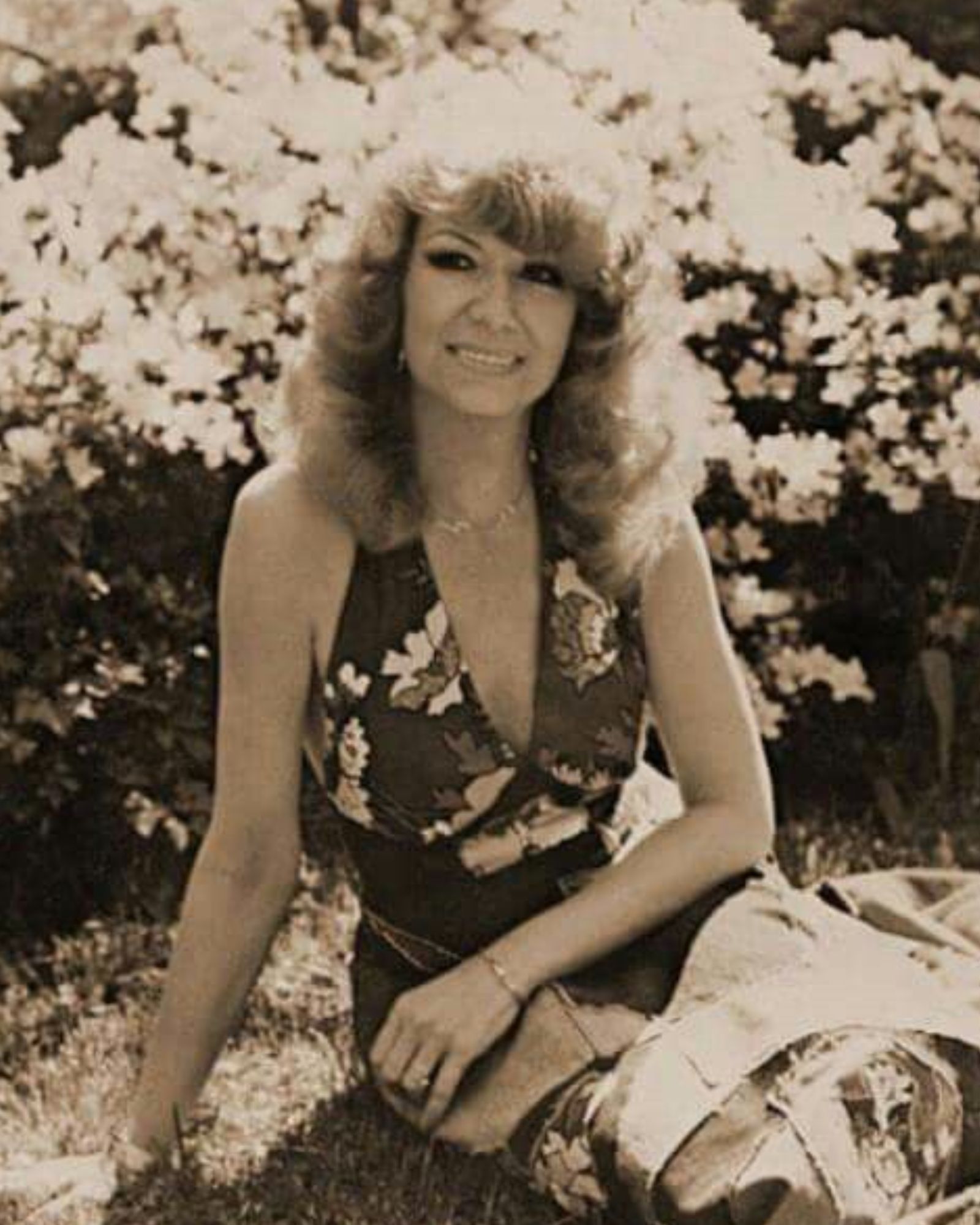
Today, the Grammy for a female country singer is one of the most familiar moments of music’s biggest night. Dolly Parton, Emmylou Harris, Reba McEntire, Carrie Underwood and Taylor Swift have all taken it home. But someone had to be first. That honor went to Dottie West, for a song she wrote with her husband.
A song written at home
By 1964, Dottie West had been working toward a music career for years. She and her husband, steel guitarist Bill West, had moved to Nashville in 1961. Jim Reeves had a hit with her song “Is This Me?” in 1963 and brought her to Chet Atkins at RCA Victor, who signed her.
The breakthrough came in 1964 with “Here Comes My Baby,” written by Dottie and Bill and produced by Atkins. The song climbed into the country Top 10. It made her a real star on country radio and helped earn her membership in the Grand Ole Opry.
A brand-new Grammy
Country music had been part of the Grammys since the late 1950s, but no woman had ever won a country award. At the 7th Annual Grammy Awards, held on April 13, 1965, that changed. For the first time, the Recording Academy presented an award called Best Country & Western Vocal Performance, Female.
The award honored recordings released between the end of August 1963 and the end of August 1964. That is why a song released in 1964 won at the 1965 ceremony.
The competition
The list of nominees reads like a hall of fame:
- Skeeter Davis for “He Says the Same Things to Me”
- Connie Smith for “Once a Day,” her debut single, which spent eight weeks at No. 1
- Jean Shepard for “Second Fiddle (to an Old Guitar),” her comeback hit after the death of her husband, Hawkshaw Hawkins, in the 1963 plane crash that also killed Patsy Cline
- Wanda Jackson for her album Two Sides of Wanda Jackson
- Dottie West for “Here Comes My Baby”
On paper, Connie Smith had the biggest hit by far. But when the winner was announced, the Grammy went to Dottie West. She became the first woman in country music ever to win a Grammy Award.
Roger Miller’s big night
It was a crowded evening for country music. Dottie was nominated in three other categories that night, too: Best Country & Western Recording, Best New Country & Western Artist, and Best Country Song, which she shared with Bill. All three went to Roger Miller, whose “Dang Me” swept the country awards.
Losing to Roger Miller was no shame. And in the one category made just for the women of country music, Dottie West stood alone.
Passing it forward
The award went to some remarkable women in the years that followed. In 1967, it was won by Jeannie Seely for “Don’t Touch Me.” According to the Country Music Hall of Fame, Seely was one of the young artists whose career Dottie helped boost. Tammy Wynette, Dolly Parton and many others would follow.
Dottie herself kept making great records. “Would You Hold It Against Me” and “Paper Mansions” became big hits. Her Coca-Cola jingle grew into the 1973 hit “Country Sunshine.” Her duets with Kenny Rogers won the CMA Vocal Duo award in 1978 and 1979.
The Grammys kept noticing her, too. She was nominated for “Would You Hold It Against Me,” “Paper Mansions,” “Country Girl,” “Country Sunshine” and several of her duets with Kenny Rogers. But she never won again.
The first
Dottie West died in 1991, at age 58, from injuries suffered in a car accident on her way to perform at the Grand Ole Opry. In 2018, she was inducted into the Country Music Hall of Fame.
Every woman who has walked up to accept a country Grammy since 1965 has followed a path that a girl from rural Tennessee opened with a song she wrote with her husband. It all started with “Here Comes My Baby.”