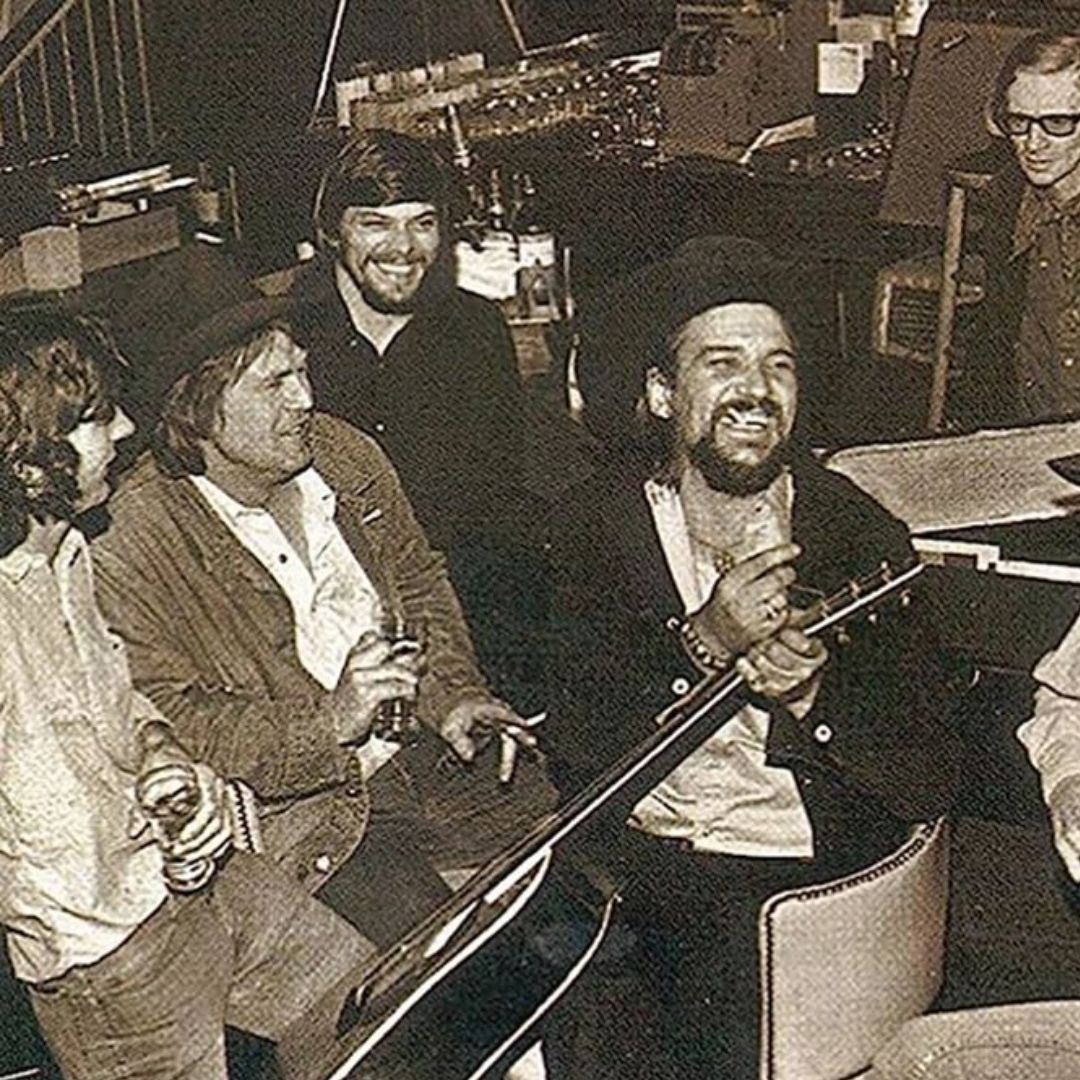
In 1972, Billy Joe Shaver walked into a Nashville recording studio looking for Waylon Jennings. Billy Joe Shaver had been trying to reach Waylon Jennings for months, and patience had finally run out.
Waylon Jennings was already an established country star. Billy Joe Shaver was a struggling songwriter with a collection of songs and a promise that seemed to have been forgotten.
When the two finally came face to face, Billy Joe Shaver threatened to whip Waylon Jennings in front of everyone unless Waylon Jennings gave the songs a fair hearing.
It was a bold thing to say to one of Nashville’s toughest personalities. But that confrontation would lead to one of the most influential albums in outlaw country history.
A Promise Made in Texas
The story began in March 1972 at a music gathering in Dripping Springs, Texas.
Billy Joe Shaver was playing songs with other musicians when Waylon Jennings heard “Willy the Wandering Gypsy and Me,” a song Billy Joe Shaver had written with Willie Nelson in mind.
Waylon Jennings was impressed enough to ask whether Billy Joe Shaver had written more songs like it.
Billy Joe Shaver had plenty.
According to Billy Joe Shaver’s later recollection, Waylon Jennings invited the songwriter to Nashville and promised to record an entire album of those compositions.
For a songwriter struggling to establish a career, an opportunity like that could change everything.
But after returning to Nashville, Billy Joe Shaver discovered that getting another meeting with Waylon Jennings would not be easy.
Phone calls went unanswered. Months passed. The promised album seemed no closer to happening.
The Confrontation in the Recording Studio
With help from Nashville radio personality Roger “Captain Midnight” Schutt, Billy Joe Shaver eventually gained access to a recording session where Waylon Jennings was working.
Waylon Jennings initially tried to avoid the encounter. When the two finally confronted each other, Billy Joe Shaver reminded Waylon Jennings of the promise made in Texas.
Billy Joe Shaver then delivered the threat that would become part of outlaw country history.
Years later, Billy Joe Shaver recalled the confrontation during a 2017 interview with The Washington Post.
Waylon Jennings finally agreed to listen, but imposed a condition: Billy Joe Shaver could perform one song. If Waylon Jennings disliked it, the meeting would end.
Billy Joe Shaver accepted.
One Song Became an Entire Album
Billy Joe Shaver began with “Ain’t No God in Mexico.”
Waylon Jennings listened and allowed another song.
Billy Joe Shaver continued with more material, including “Old Five and Dimers (Like Me).”
Then Billy Joe Shaver reached “Honky Tonk Heroes.”
That was the moment Billy Joe Shaver would remember decades later.
In the 2017 interview, Billy Joe Shaver recalled that Waylon Jennings suddenly looked deeply troubled, almost as though the music had presented a problem that could no longer be avoided.
Waylon Jennings responded with a frustrated exclamation before saying:
“I know what I got to do now.”
Those words were the answer Billy Joe Shaver had been trying to get for months.
Waylon Jennings had heard enough to recognize that these songs belonged on a record.
The Album That Helped Define Outlaw Country
In 1973, Waylon Jennings released Honky Tonk Heroes, featuring nine compositions written or co-written by Billy Joe Shaver.
The album included “Black Rose,” “Ride Me Down Easy,” “Ain’t No God in Mexico,” and the title track.
Recording the album was not always peaceful. Billy Joe Shaver and Waylon Jennings disagreed over how some songs should sound, particularly when arrangements differed from the songwriter’s original versions.
But the finished recording reflected something both musicians believed in: country music that sounded personal, independent, and unconcerned with pleasing everyone in Nashville.
Honky Tonk Heroes became a landmark in the emerging outlaw country movement. The record also introduced Billy Joe Shaver’s songwriting to a much larger audience.
Other major artists would eventually record Billy Joe Shaver’s compositions, including Johnny Cash, Elvis Presley, and Kris Kristofferson.
A Promise That Finally Meant Something
The relationship between Billy Joe Shaver and Waylon Jennings was not always easy afterward. Creative disagreements and professional tensions sometimes complicated their friendship.
Still, the importance of that Nashville meeting never disappeared.
Billy Joe Shaver had refused to let a promise quietly fade away. Waylon Jennings had finally listened to a songwriter whose music helped shape a defining chapter of a legendary career.
Looking back, it is remarkable how close the entire collaboration came to never happening.
Without that confrontation, Honky Tonk Heroes might have been a very different album.
And it all began because Billy Joe Shaver believed those songs deserved to be heard.