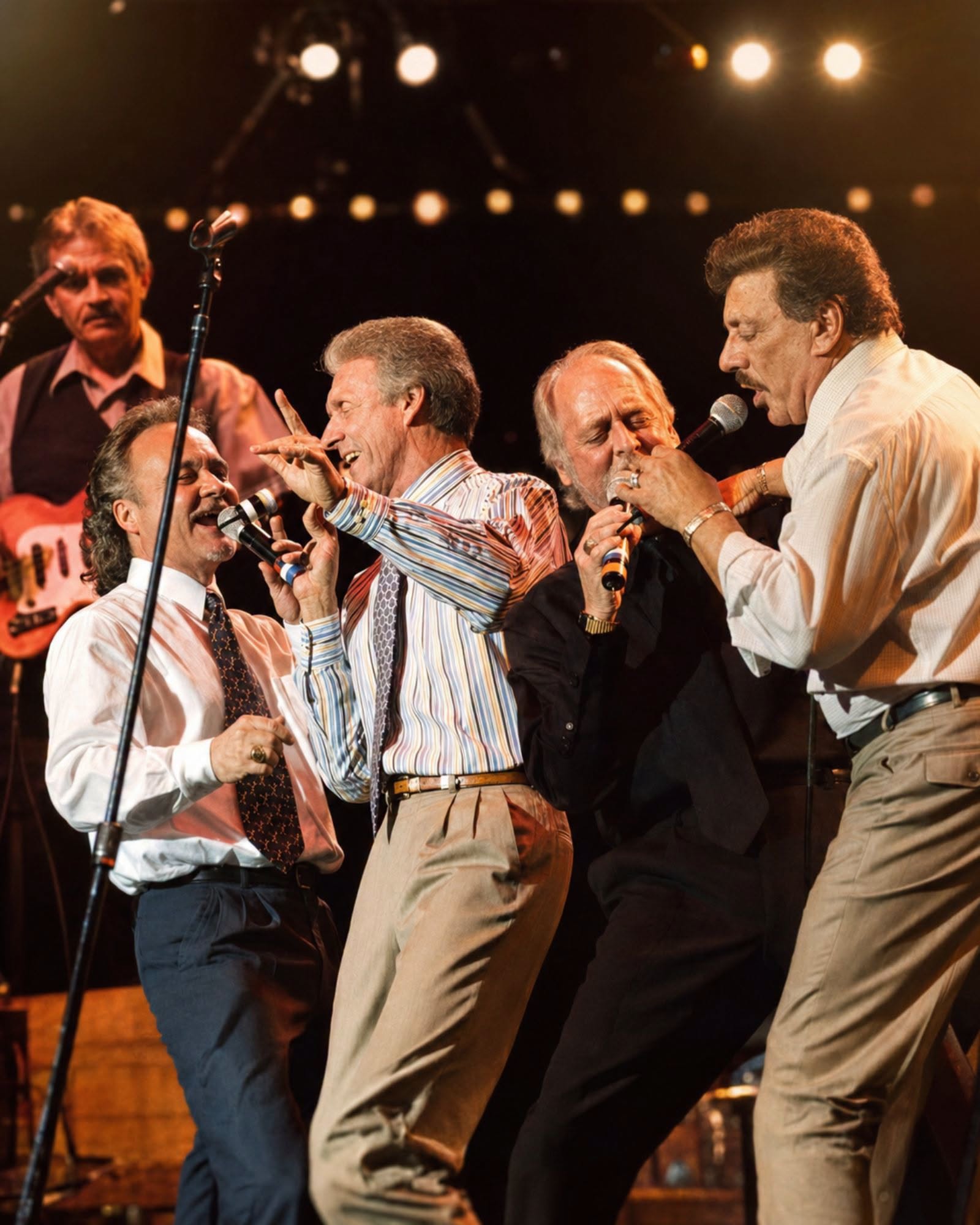
The Statler Brothers Didn’t Quit Because the Music Was Gone
The Statler Brothers never felt like a group chasing a trend. They felt like a family standing in the doorway of American memory, singing about the people, places, and habits that shaped everyday life. Formed in Virginia and built around close harmonies, the group became known for turning ordinary moments into something worth hearing twice.
That is why their decision to retire in 2002 landed with such quiet force. It did not sound like defeat. It sounded deliberate. After decades of recording, touring, and becoming one of country music’s most decorated acts, The Statler Brothers stepped away from the stage together. They were not trying to stretch a legacy past its natural ending. They seemed to understand that a story can be strongest when it knows where to stop.
A Sound Built on Real Life
At the center of The Statler Brothers was a simple but powerful blend of voices: Don Reid as lead, Harold Reid on bass, Phil Balsley on baritone, and Jimmy Fortune on tenor after Lew DeWitt’s departure in the 1980s. That lineup helped define the group’s later years and gave their music a warmth that felt both polished and human.
What made them memorable was not just harmony. It was perspective. Their songs often carried small-town scenes, church language, family tension, humor, and nostalgia without sounding forced. They could make a listener smile one moment and feel a lump in the throat the next. That balance became part of their identity.
The Statler Brothers made everyday life sound like it mattered.
Knowing When the Final Chapter Has Arrived
Retirement in the music world is often treated like a business decision, a pause that may not stay paused. The Statler Brothers chose something rarer. They ended their touring life in 2002 and let the name rest with dignity. Their farewell was not built around reinvention or nostalgia marketing. It was built around recognition: the work had been done, the songs had been sung, and the bond among the group members had already given the public enough to remember.
That choice gave their ending real emotional weight. Fans did not just lose a concert act. They watched a chapter close in a way that felt almost old-fashioned — respectful, unhurried, and honest. In a culture that often asks artists to keep going until the shine disappears, The Statler Brothers chose a different path.
A Legacy That Still Feels Complete
The Statler Brothers left behind more than hits. They left a tone, a way of telling stories, and a sense that country music could be both funny and sacred without apology. Their legacy still matters because it feels finished in the best possible way. Not cut short. Not overextended. Finished.
That may be the deepest reason people still talk about them. The Statler Brothers did not walk away because the music was gone. They walked away because they had already carried the music as far as it needed to go. And sometimes, that is the most graceful ending of all.