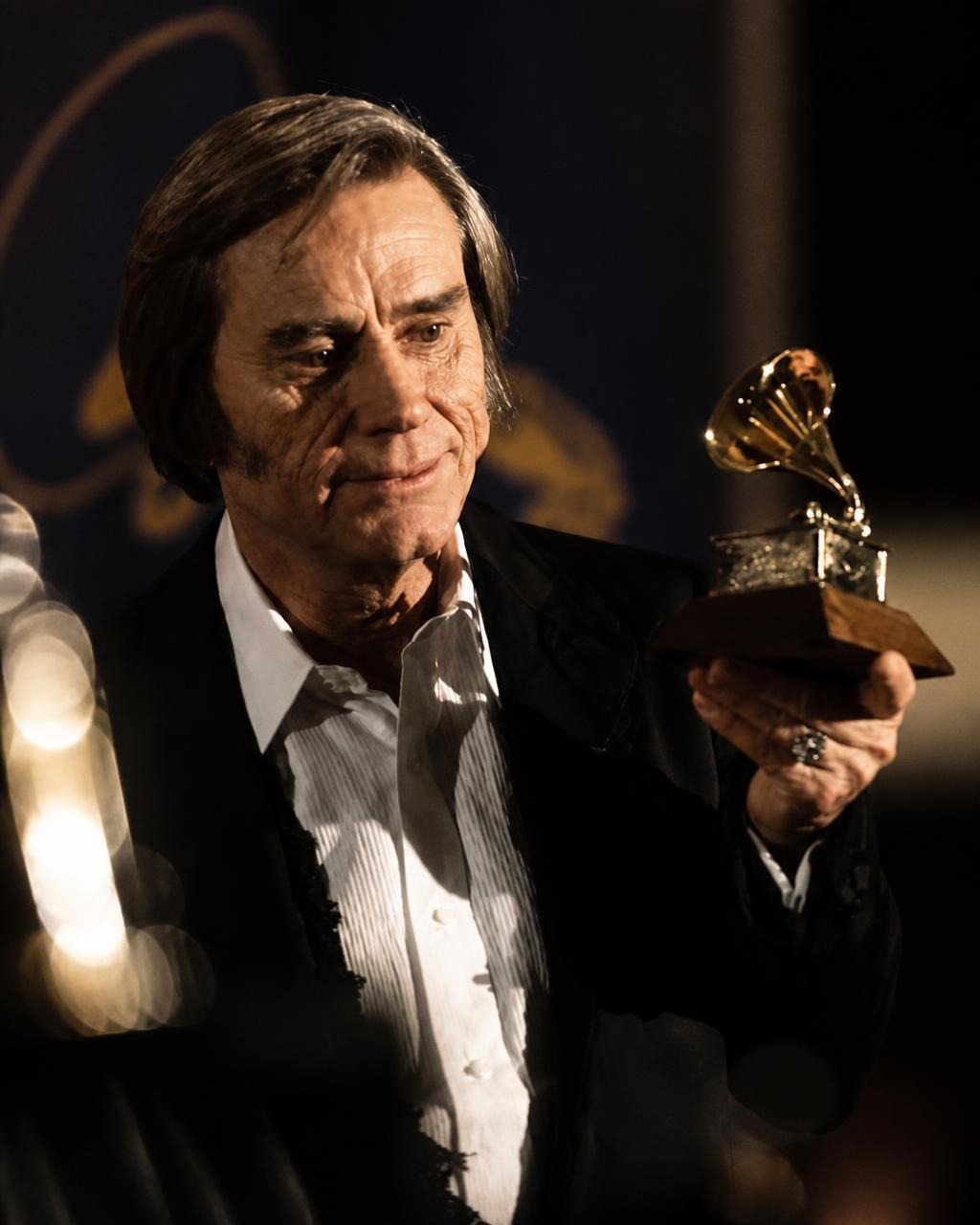
George Jones: From “Most Promising” to the Voice That Outlasted Doubt
In 1956, Billboard called George Jones the “Most Promising New Country Vocalist.” It was the kind of praise that can lift a young singer into the spotlight and make a career feel wide open. George Jones was only 25, and he already had a major hit with “Why Baby Why.” More was coming: “White Lightning,” his marriage to Tammy Wynette, and the painful nickname “No Show Jones,” which would shadow some of his most difficult years.
At the time, the award seemed to point toward a bright future. What it could not predict was how much George Jones would have to survive before that future became real.
A Career That Nearly Slipped Away
By the end of the 1970s, George Jones had become one of country music’s most gifted and troubled voices. His drinking and drug use had taken a toll on his health, his reputation, and his reliability. He had gone six years without a solo No. 1 hit. For a singer once marked as a great promise, the silence was painful.
Then producer Billy Sherrill brought him a song called “He Stopped Loving Her Today.” The song told a devastating story of love, memory, and death. George Jones reportedly thought it was too long, too sad, and too depressing. He did not believe people would buy it.
“Nobody’ll buy that morbid son of a bitch.”
That line became part of the legend around the recording, but the important truth is simpler: Billy Sherrill believed in the song, and he believed George Jones could carry it. That faith changed everything.
The Song That Rebuilt the Story
Released in 1980, “He Stopped Loving Her Today” did what George Jones had not been able to do for years: it reached No. 1 and revived a fading career. The song was not just a hit. It felt like a reckoning, the kind of performance that makes listeners hear a lifetime inside a single vocal line.
On February 25, 1981, George Jones performed the song at the Grammy Awards and won Best Country Vocal Performance, Male. It was his first Grammy, arriving twenty-five years after that early Billboard honor had labeled him “Most Promising.”
What the Years Revealed
By then, George Jones was no longer just a singer with potential. He was a survivor. He had fallen hard, lived publicly through the damage, and still found a way back to the center of country music. The voice that once promised greatness had become something deeper: a voice that carried regret, endurance, and hard-earned truth.
That is why the story still lands so strongly today. The first award looked forward. The first Grammy looked back. Together, they trace the full arc of George Jones: not only the promise of a young man, but the triumph of an artist who lived long enough to become unforgettable.