Loretta Lynn and the Summer That Changed Everything
In the summer of 1984, Loretta Lynn was already a legend in country music. She had turned hard living into songs, turned family pain into public truth, and become one of the most recognizable voices in America. The success of Coal Miner’s Daughter had made her story larger than life, but fame never protected her from grief.
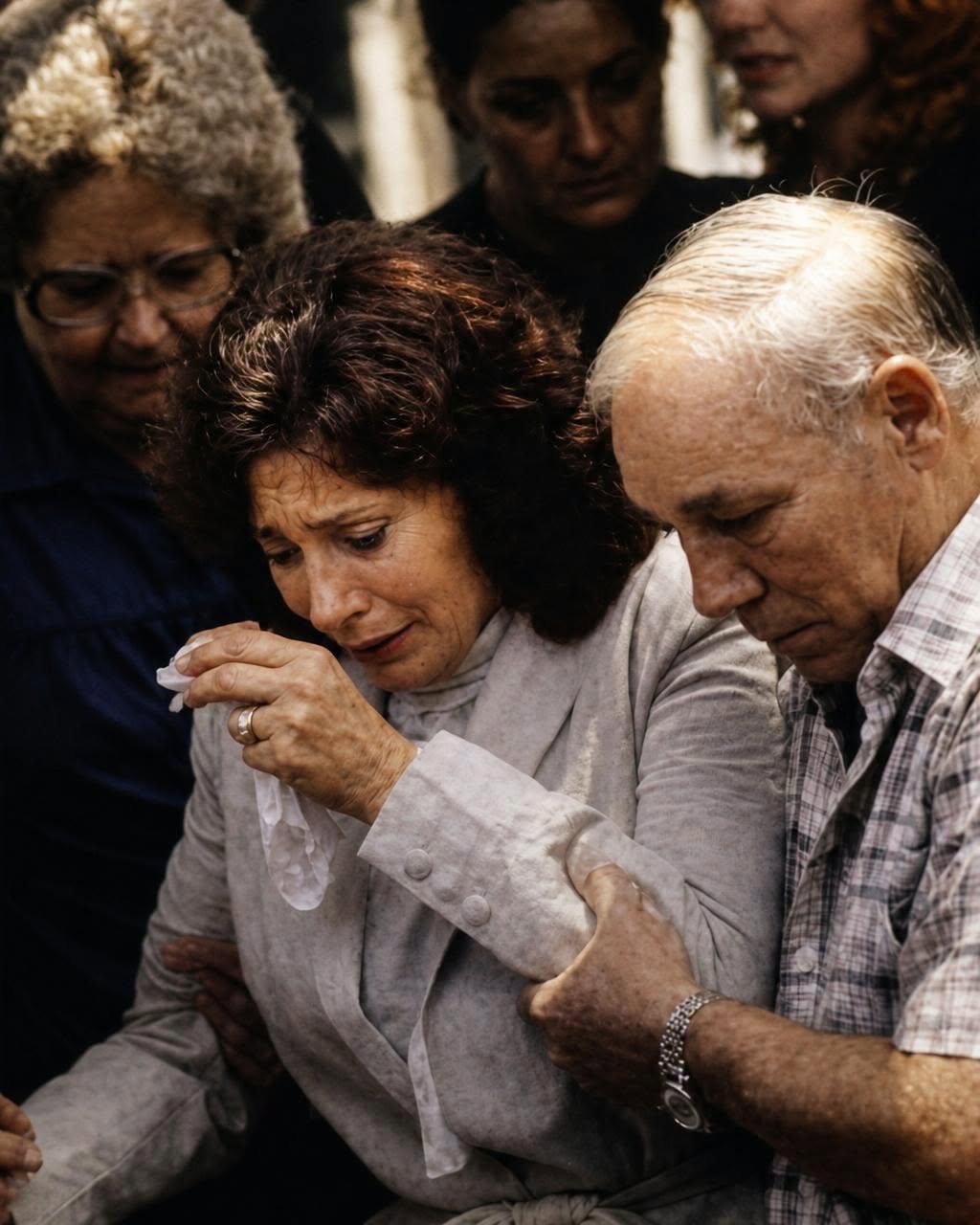
That year brought a tragedy so personal that it seemed to split her life into before and after. Loretta Lynn’s eldest son, Jack Benny Lynn, died after trying to cross a river on horseback near the family property in Hurricane Mills, Tennessee. He was 34. Reports at the time said Loretta Lynn had collapsed from exhaustion while traveling after a concert and was hospitalized in Mount Vernon, Illinois when the news reached her family. Her husband, Doolittle “Doo” Lynn, flew to tell her in person.
A Mother on the Road
Loretta Lynn spent much of her career balancing touring, recording, and raising six children. She sang about real life because real life never left her alone. By 1984, she was not just a star; she was a working mother, a widow-in-waiting of worry, and a woman who had already buried more than one piece of her heart.
Jack Benny Lynn was often described as especially close to her. Friends and family remembered that bond, quiet and deep, the kind that does not need a public declaration to be understood. The loss struck at the center of her family and at the center of the home she had built in Tennessee.
The Moment the News Arrived
The hardest part was not only the death itself, but the terrible distance between the event and the telling. Loretta Lynn was in Illinois, recovering from collapse, while her family faced the most painful news imaginable back home. Doolittle Lynn had to bring it to her face to face. It was the kind of moment that can change a person without warning, and those close to Loretta Lynn later sensed that something in her had shifted.
She kept going, but she was never quite the same.
That reaction makes sense. Grief does not always announce itself loudly. Sometimes it settles in, quietly and permanently, becoming part of the body’s memory. Loretta Lynn had long dealt with migraines and exhaustion, but after Jack Benny Lynn’s death, sorrow seemed to sit alongside every performance, every mile, every song.
Carrying On Anyway
Even after such loss, Loretta Lynn kept performing and writing. That was her way. She had spent her career telling the truth about pain, and now she had to live inside it. Years later, she would face more family losses, including the death of her daughter Betty Sue and the death of Doolittle Lynn himself.
Still, the memory of 1984 remains one of the most haunting chapters in her story. It was the year a mother on the road learned that her son was gone, and the world kept moving even though hers had stopped. For Loretta Lynn, the stage never fully separated from the private life behind it. The songs kept coming, but so did the silence between them.
And maybe that is why her story still stays with people. Not because it is flawless, but because it is human. A famous woman. A grieving mother. A family changed by one summer day in Tennessee.