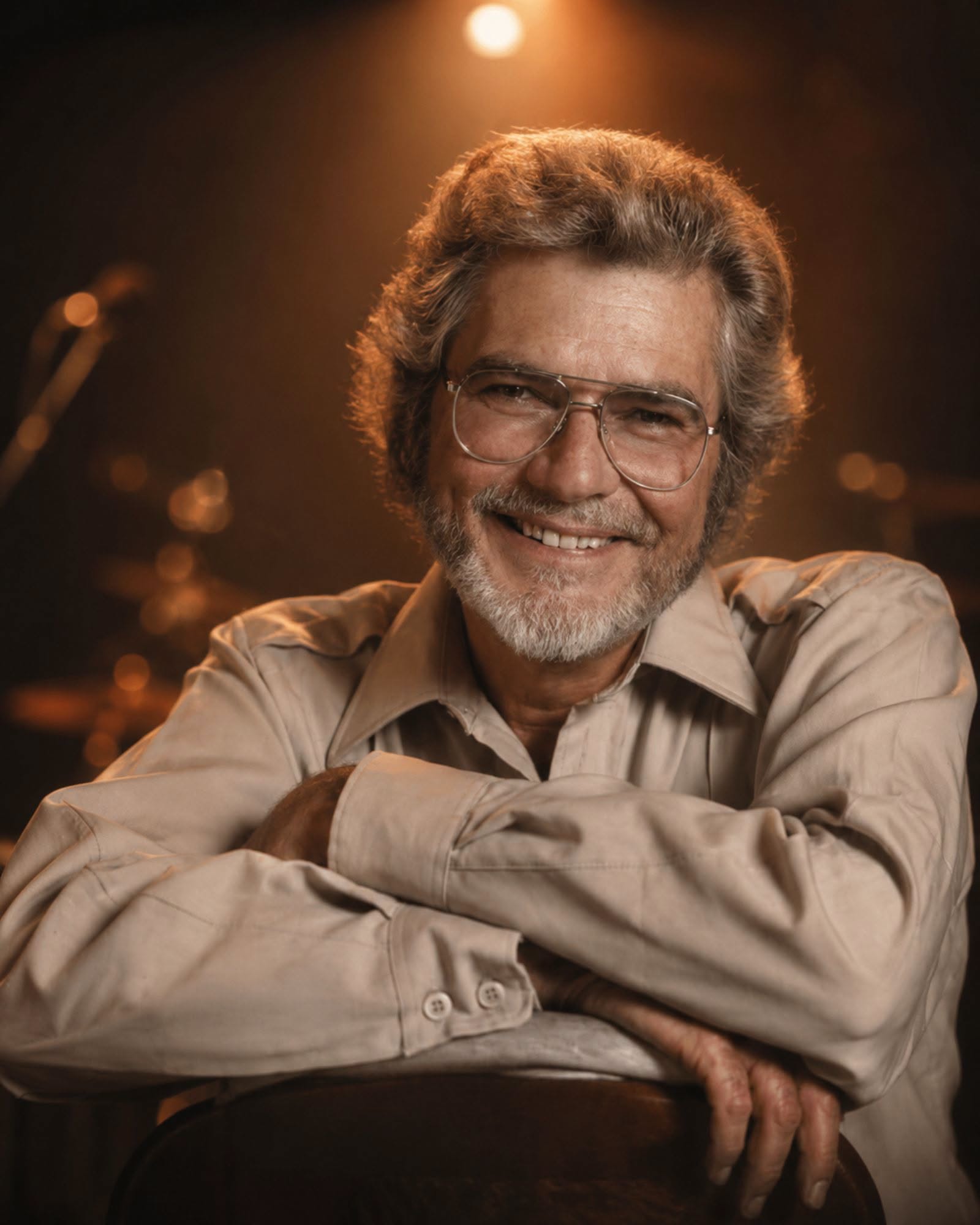
Lew DeWitt: The Quiet Voice Behind a Country Music Legacy
Lew DeWitt never seemed to ask for legend. He just kept singing until his body could no longer keep pace with his gift. Long before Nashville placed his name in the Country Music Hall of Fame, Lew DeWitt had already helped build one of the most enduring harmony groups in country music. He was the tenor in The Statler Brothers, the voice that helped launch the group’s rise, and the songwriter who gave them one of their biggest calling cards, “Flowers on the Wall.”
That song did more than travel. It stayed. It sold more than a million copies, reached far beyond the country audience, and was later recorded by dozens of other artists. For fans, it became inseparable from the sound Lew DeWitt helped create: precise, warm, and unmistakably human.
A Career Built on Harmony and Persistence
The Statler Brothers became a powerhouse, winning nine straight CMA Vocal Group of the Year awards and collecting three Grammy Awards along the way. Yet even inside that success, Lew DeWitt’s path was shaped by struggle. Crohn’s disease had affected him since adolescence, and over time it became harder to keep performing at the level he expected of himself. By 1982, the strain forced him to step away from the group and hand the tenor role to Jimmy Fortune.
Leaving the stage did not mean leaving music. Lew DeWitt kept going in his own way. He performed at Waynesboro’s Summer Extravaganza year after year and released two solo albums. He never tried to turn his life into a grand public drama. He simply kept showing up, quietly determined to make music while he still could.
“Lew DeWitt was a very humble man who made it big and never understood how or why.”
That sentiment, later shared by his widow Judy, feels like the key to understanding him. Lew DeWitt’s story was never about self-promotion. It was about craft, endurance, and the strange, almost unfair way some artists shape an era without ever acting as if they expect credit.
His Final Years and Lasting Presence
Lew DeWitt died on August 15, 1990, at his home in Waynesboro. He was 52. His remains were cremated. The loss was quiet in the way so many losses are quiet when a private battle has already lasted too long.
Even after his death, his hometown kept finding ways to remember him. In 1992, Waynesboro named a boulevard after him. Years later, fans continued visiting his memorial at Augusta Memorial Park, keeping his name alive in the most ordinary and meaningful way: by returning.
Recognition That Came Late, But Not Too Late
In 2008, eighteen years after Lew DeWitt had left the stage, the Country Music Hall of Fame placed his name on the wall as part of The Statler Brothers. It was a reminder that timing is not always fair, and that some honors arrive after the artist has already been gone for years.
Still, the recognition mattered. Lew DeWitt was not just a member of a beloved group. He helped start it all. He wrote the song that opened the door, carried the harmony that made people listen, and left behind a body of work that still speaks with clarity.
He never got the big farewell. The quiet ones rarely do. But Lew DeWitt got something else: the kind of legacy that does not fade when the lights go out.