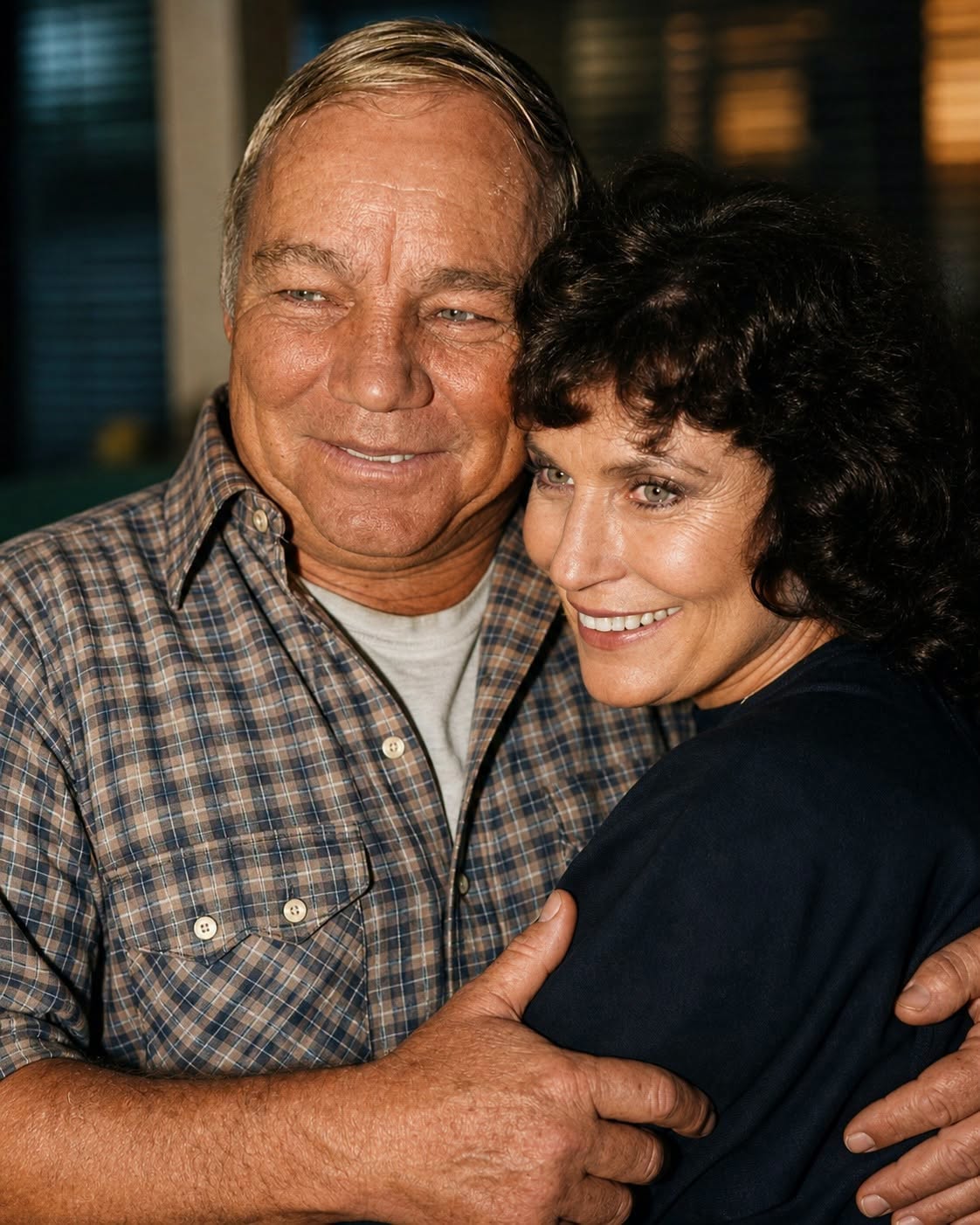
Loretta Lynn and the Hard Truth Behind a Famous Country Love Story
Loretta Lynn’s marriage to Oliver “Doolittle” Lynn began quickly, when Loretta Webb was only 15 and Doolittle was 21. They married on January 10, 1948, after knowing each other for only about a month. What followed was a life that was messy, difficult, tender, and deeply influential on the music Loretta Lynn would later write and sing. Loretta Lynn and Doolittle Lynn raised six children, built a family in the middle of hardship, and carried a marriage that was never simple, even when it lasted for decades.
A Guitar That Changed Everything
Before the fame, before the hit records, and before the legend, Doolittle Lynn helped shape the future Loretta Lynn could not yet see. He bought Loretta Lynn a $17 guitar, and that small instrument became the tool that opened a new life. Loretta Lynn later taught herself to play and began turning ordinary experiences into songs that sounded blunt, honest, and close to home. The early story is often told as a love story, but it is also a story about being pushed, encouraged, and sometimes challenged into a life larger than the one around her.
When Loretta Lynn moved into public performance, she was still frightened of the stage, but Doolittle Lynn helped arrange early appearances and traveled with her as she promoted “I’m a Honky Tonk Girl.” That support mattered. Loretta Lynn often suggested that without Doolittle Lynn, there might never have been a Loretta Lynn the performer.
The Marriage Was Not a Fairy Tale
At the same time, Loretta Lynn never hid the harder parts of the marriage. Doolittle Lynn drank heavily, cheated, and could be violent. Loretta Lynn stayed through the damage, in part for her children and in part because real life is rarely neat enough to fit a polished story. The contradictions were everywhere: one day encouragement, the next day pain. That tension became part of Loretta Lynn’s art, and it gave her songs their force.
Songs such as “Don’t Come Home A-Drinkin’” and “Fist City” did not come from nowhere. They carried the emotional truth of a woman who had lived through heartbreak, anger, and endurance. Loretta Lynn’s writing connected with listeners because it did not pretend that marriage was always gentle. It spoke to women who recognized the same struggle in their own lives.
Forty-Eight Years, Then One Last Year
On January 10, 1996, Loretta Lynn and Doolittle Lynn completed 48 years of marriage. By then, his health was failing. Loretta Lynn later said she sang “Wouldn’t It Be Great” to him near the end, and she remembered it as the last song she sang before his death. Doolittle Lynn died on August 22, 1996, only 225 days into what would have been their 49th year together.
Years later, Loretta Lynn did not try to turn the marriage into something it was not. She acknowledged the damage, remembered the love, and held onto both. Doolittle Lynn gave her the guitar. Their life gave her the truth. Loretta Lynn turned that truth into songs that still feel lived-in, human, and unmistakably real.