Waylon Jennings and the Empty Chair That Said Everything
In the world of country music, some honors arrive with applause, tears, and a polished speech. For Waylon Jennings, the moment was different. On October 4, 2001, the Country Music Hall of Fame placed his name in its newest class, but Waylon Jennings did not come to the stage. By then, he had already made it clear that recognition was never the point. What mattered to him was the music, the freedom to make it, and the right to do it his own way.
Waylon Jennings had spent years fighting for that freedom. He became one of the defining voices of the outlaw country movement, pushing back against a Nashville system that often wanted artists to sound neat, controlled, and predictable. Waylon Jennings did not fit that mold. He made records with an edge, a conviction, and a stubbornness that became part of his legend. Over the course of a long career, he recorded dozens of albums, scored multiple number-one country albums, won Grammy Awards, and helped shape a sound that still echoes through country music today.
A Rebel With a Clear Sense of Purpose
The story behind the Hall of Fame moment was not about rejection alone. It was about a man who had already won on his own terms. Waylon Jennings once walked away from the idea that he had to shrink himself to fit someone else’s plans. That attitude followed him through his career. He was never trying to impress the gatekeepers. He was trying to stay honest.
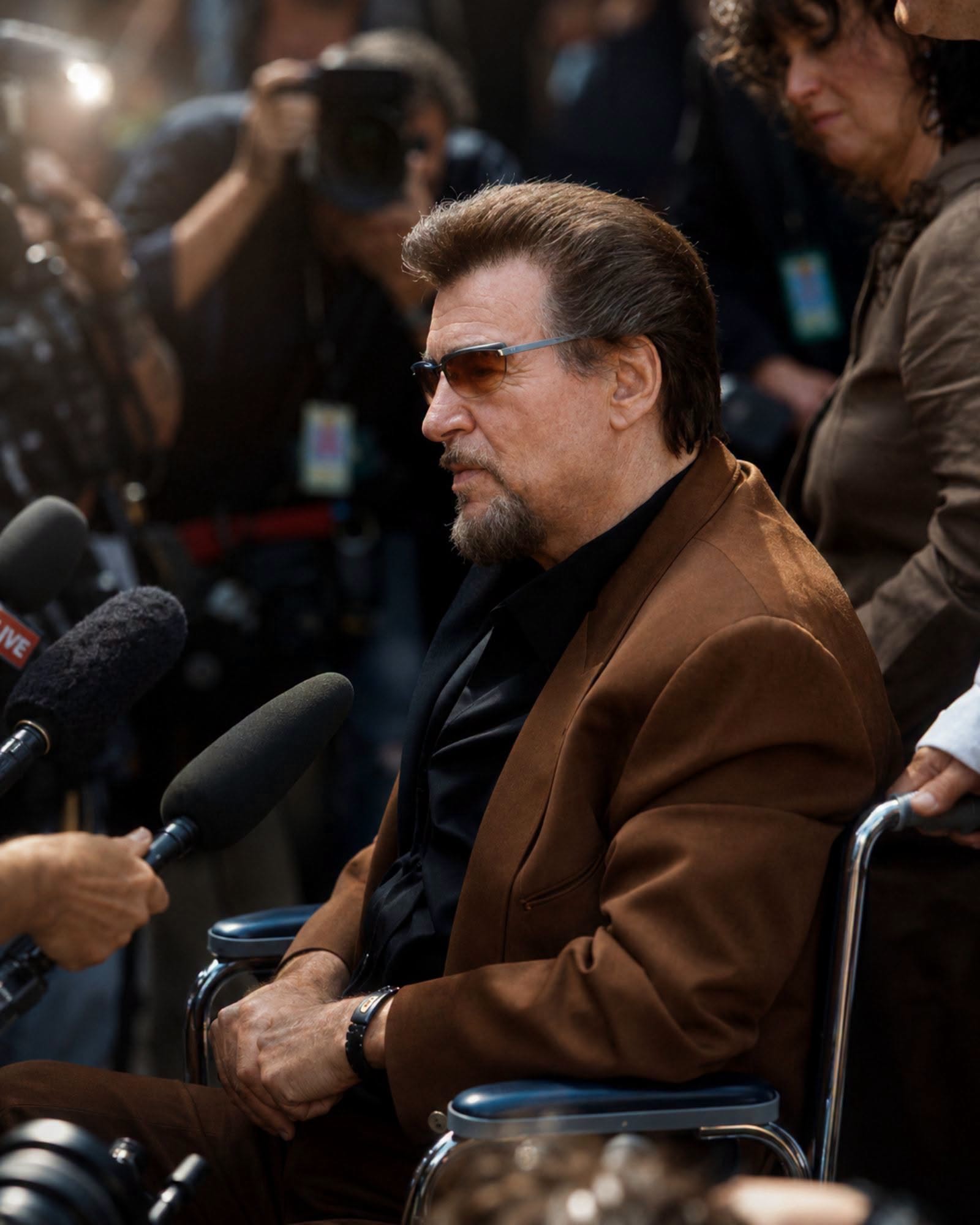
When the Hall of Fame honor came in 2001, Waylon Jennings was already facing serious health problems. He was in a wheelchair, and his condition made travel difficult. Rather than appear himself, Waylon Jennings asked one of his sons, Buddy, to accept the honor in his place. That choice gave the night a quiet, emotional weight. The empty chair was not a stunt. It was a reminder that life had changed, but the music and the meaning remained.
“I let one of my sons go there and accept it. I think it meant something to my kids, and that’s enough.”
Those words capture Waylon Jennings better than any ceremony could. Even at the center of a major tribute, he remained private, practical, and deeply loyal to his family. The honor was real, but it was not the final measure of his life.
What Remained After the Applause
Waylon Jennings died in February 2002, only months after that Hall of Fame induction. He was 64. The empty chair became part of his story because it felt true to who he was: a man who had never needed permission to matter. He had already spent decades proving it.
In the end, the ceremony said less about a trophy and more about a life. Waylon Jennings did not show up to be celebrated, because his legacy had already been built in the songs, the records, and the attitude he carried into every room. The chair stayed empty, but the meaning did not.