The Cabin in “Coal Miner’s Daughter” Was a Set. The Real One Still Stands Up the Dirt Lane
For millions of people, Loretta Lynn’s childhood home began as a movie image: a humble cabin, a steep hill, and a story too big to fit inside one room. But the house made famous in Coal Miner’s Daughter was only part of the legend. The real place is still there in Butcher Hollow, Kentucky, reached by a dirt lane and kept alive by Loretta Lynn’s family. It is not polished into a museum piece. It feels personal, worn, and stubborn in the best way.
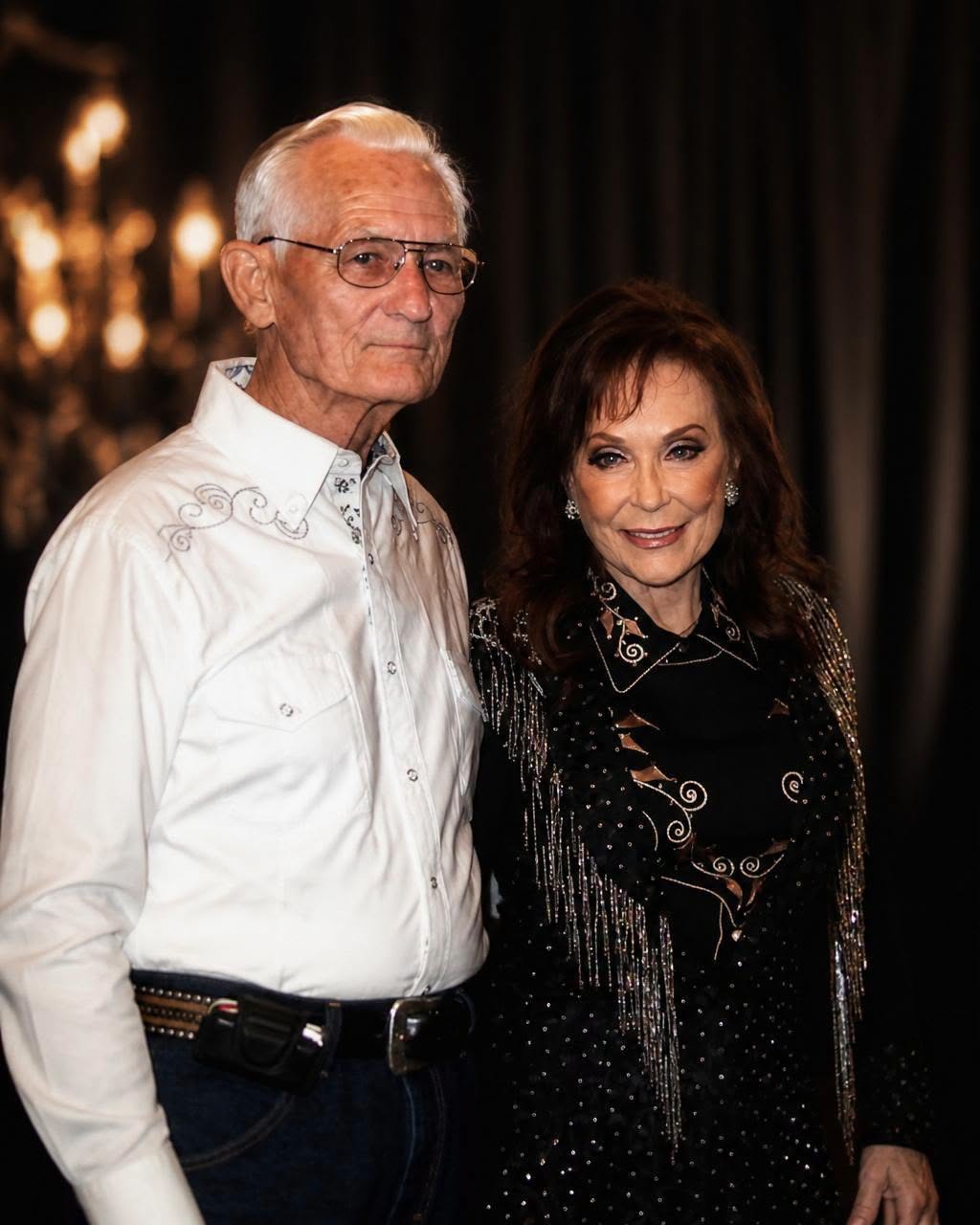
That stubbornness belonged to Herman Webb, Loretta Lynn’s brother, who stayed behind while Loretta Lynn left and built a life in music. Herman Webb did not just protect the family home. He rebuilt it by hand after it was falling apart, and later he spent decades giving visitors tours through the rooms where the Webb children grew up. By all accounts, he treated that work like a calling, not a business.
In 1975, Herman Webb also bought Webb’s Grocery in Van Lear, the old company store where the family once shopped when their father worked in the mines. That store became part of the same story as the house above it: one place to remember work, hunger, family, and survival all at once. Visitors who came up the hollow were not just buying a ticket. They were stepping into a memory that had been preserved by people who actually lived it.
A Family Story Kept in the Same Rooms
For more than thirty years, Herman Webb welcomed strangers with no reservation system and a simple price of five dollars. He showed them the washboard, the bed, and the room where Loretta Lynn was born. People came from England, Germany, and Japan, drawn by a voice that had turned poverty into song and made one Kentucky hollow feel familiar to the world.
Loretta Lynn herself returned too. Reports from the family say Loretta Lynn and Doo just showed up sometimes and sat in the parking lot at Webb’s Grocery, as naturally as if they had never left. After Doo died in 1996, the visits became less frequent, but the place remained part of the family’s heartbeat. Crystal Gayle even called Herman Webb the “Sheriff of Butcher Hollow” and found him a badge to make it official.
What Remains
Herman Webb died in 2018, but before he did, he told his daughter Connie to keep the store open and keep giving tours. Connie Webb has continued that work, carrying the family story forward one visitor at a time. The home place is still there, and so is the feeling that history is not always housed in grand buildings. Sometimes it survives because one family refuses to let it disappear.
That is what makes the Butcher Hollow story so powerful. A set can burn. A movie can fade. But the real cabin, rebuilt with care, still stands up the dirt lane, holding the memory of the people who lived there and the people who keep coming back to see it. And in that quiet fact, there is something deeply human: a family staying faithful to its own beginning.