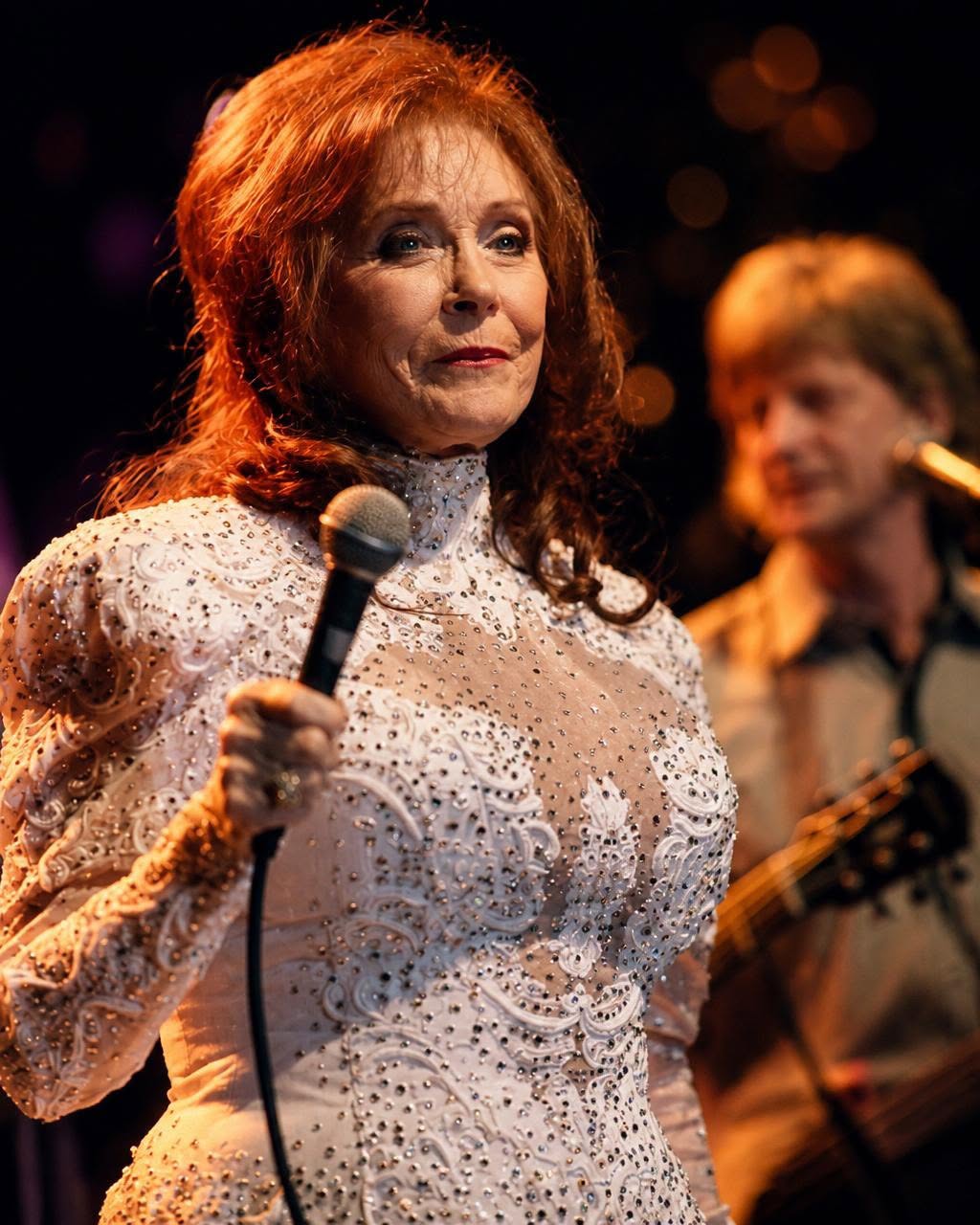
One Song Made Her the Pride of Every Poor Family in America. The Other Got Her Banned From the Radio.
By the time Loretta Lynn became a household name, her story already felt larger than music. She came from a Kentucky coal camp, married young, and raised a family while the world around her expected women to stay quiet, stay home, and stay grateful. Loretta Lynn did not sing like someone asking for permission. She sang like someone telling the truth.
The Song That Held an Entire Childhood
When Loretta Lynn released “Coal Miner’s Daughter”, she was doing more than looking backward. She was turning memory into identity. The song painted a childhood shaped by hard work, thin money, and a mother who leaned on faith while her father worked in the mine. For listeners across America, especially in working-class and rural homes, it felt honest in a way that was rare on the radio.
It became one of the songs most closely associated with Loretta Lynn’s legacy, and it later inspired a bestselling autobiography and the Oscar-winning 1980 film Coal Miner’s Daughter. But long before Hollywood, the song had already done something bigger: it made millions of people feel seen.
That is why it mattered so much. Loretta Lynn was not pretending poverty was romantic. She was saying it was real, and that real people came out of it with pride intact.
The Song That Challenged the Rules
Five years later, Loretta Lynn released “The Pill”, and the reaction was immediate. The song described a married woman who is done having children and ready to claim more control over her own life. Many radio stations refused to play it. For some listeners, it was too bold, too direct, and too much for country music’s comfort zone.
And yet the public could not ignore it. The song became one of Loretta Lynn’s biggest crossover successes, proving that a woman speaking plainly about marriage, motherhood, and choice could reach far beyond the gatekeepers who tried to silence her.
What made “The Pill” so powerful was not scandal. It was recognition. Plenty of women understood the feeling behind it, even if they had never heard anyone say it out loud before.
Two Songs, One Woman, No Simple Story
Loretta Lynn often resisted being turned into a symbol. She did not want to be flattened into one message or one label. She remained deeply tied to the life she came from, and she also kept writing songs that pushed against the limits placed on women like her.
One song preserved the old world. The other opened a door out of it.
That tension is what made Loretta Lynn unforgettable. She could honor the home she came from without pretending it was easy. She could speak for women without claiming to speak for everyone. And she could sing about family, struggle, love, and independence in the same breath.
In the end, the public wanted a single clean image of the coal miner’s daughter. Loretta Lynn gave them something better: a full human life, complicated and brave, with songs that refused to stay in one place.