Charley Pride’s Quiet Farewell in Dallas
When Charley Pride died on Saturday, December 12, 2020, the news carried a particular kind of silence with it. There was no packed arena, no public procession, and no long line of fans passing by a casket. Instead, the country music legend was honored in a private way, surrounded only by family and a small circle of close friends in Dallas, the city he had called home for decades.
Pride was 86. He had been hospitalized since late November and died of complications from COVID-19. For fans who had followed his music across generations, the loss felt both sudden and deeply personal. He was one of the genre’s most important voices, and for many listeners, his presence had always seemed steady and unmistakable.
A final public moment under bright lights
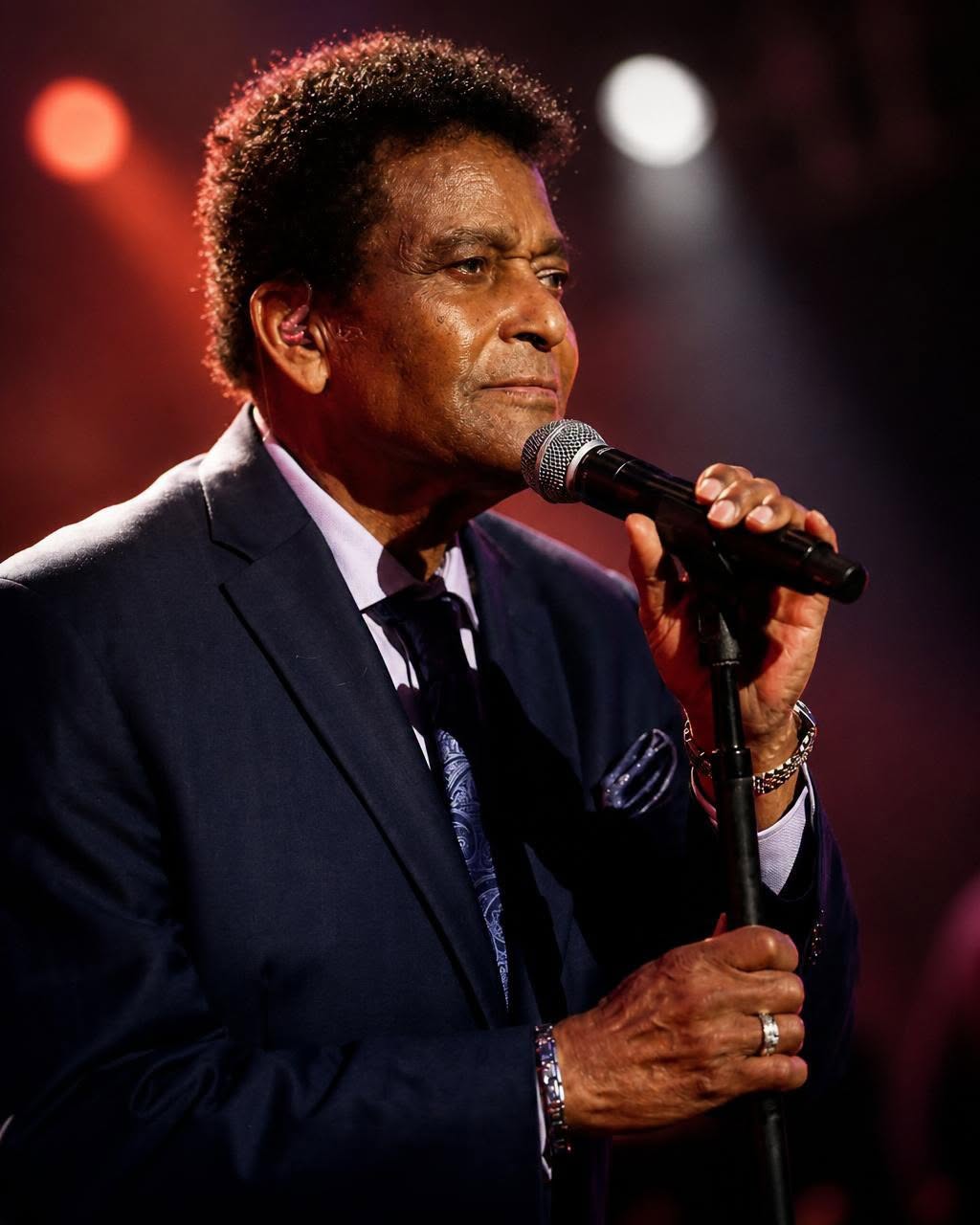
Only one month earlier, Pride had stood on a national stage at the CMA Awards. There, he accepted the Willie Nelson Lifetime Achievement Award and performed “Kiss an Angel Good Mornin’” with Jimmie Allen. It was a moving moment, one that felt celebratory at the time and heartbreaking in hindsight. That performance became Pride’s final public appearance, a last reminder of how much he meant to country music and how fully he still belonged to it.
The contrast was striking: a star who had spent a lifetime performing before thousands, then a final goodbye kept intentionally small. Yet that choice reflected the times. In December 2020, families across the country were making difficult decisions about how to honor loved ones safely and responsibly. Pride’s farewell followed that same careful path.
Private grief, public love
That week, his family held a private wake and memorial service in Dallas. A larger celebration of life was planned for later, when gathering safely would be possible. It was a quiet arrangement for a man whose career had been anything but quiet. Charley Pride helped change country music, not with noise or spectacle, but with consistency, dignity, and songs that stayed with people.
Instead of flowers, the family asked fans to support scholarships, a community center, local food banks, or other charities close to their hearts. It was a simple request, but a meaningful one. Even in grief, the family pointed outward, toward service and care.
For a man whose voice had reached millions, the final room was deliberately small. But beyond its doors, an entire country music world was saying goodbye.
That feeling still lingers. Charley Pride’s passing closed a chapter, but it did not end the story. His music remains, along with the memory of a performer who broke barriers, earned respect, and carried himself with grace. The final goodbye in Dallas may have been private, but the gratitude around him was wide, lasting, and unmistakably public.