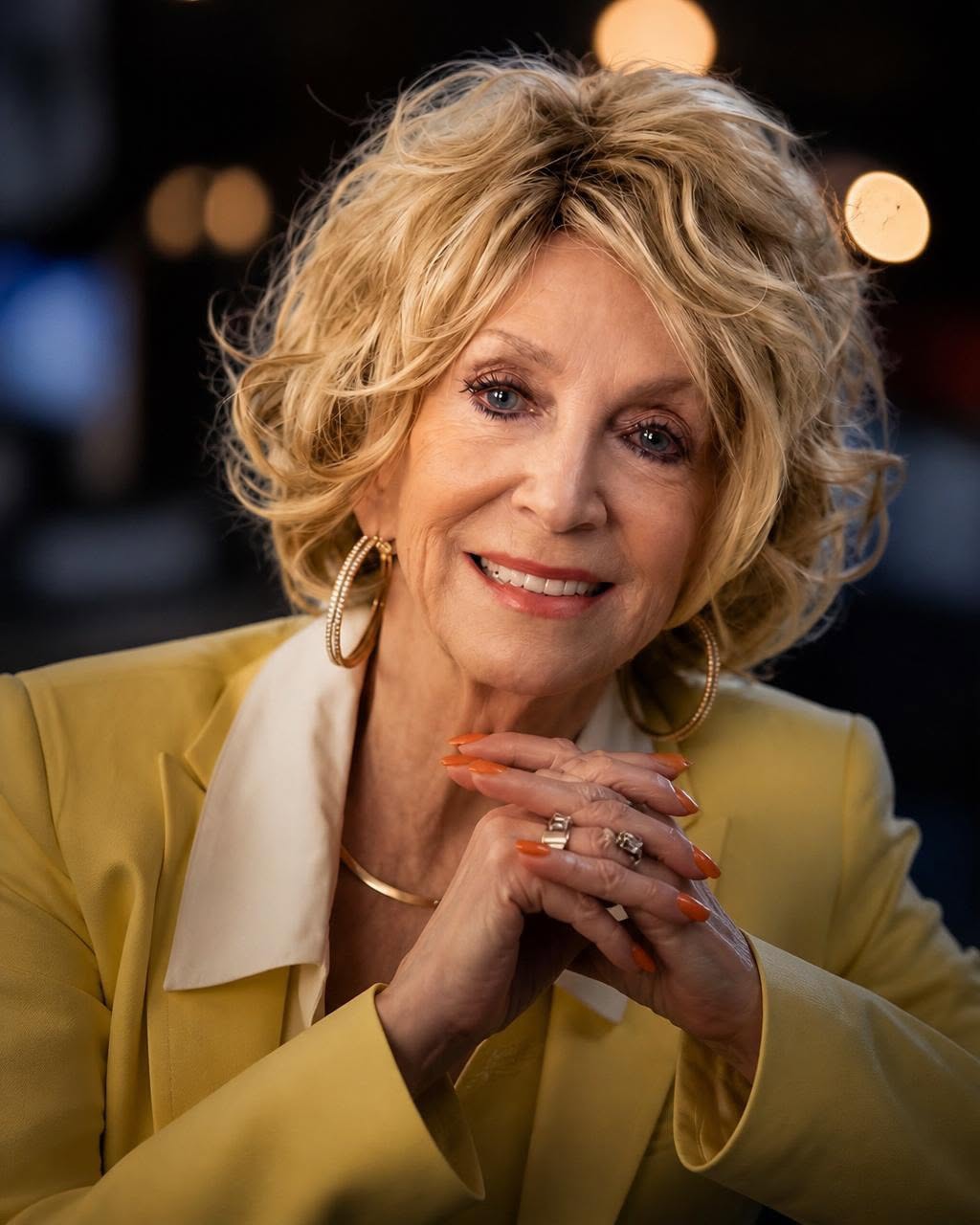
Jeannie Seely’s Final Opry Salute Was a Show, Not a Goodbye
They did not call it a funeral. They called it Jeannie Seely’s 5,398th Opry show, and that choice said everything about the woman being honored. On August 14, 2025, the Grand Ole Opry House opened its doors to the public for a celebration of life that felt unmistakably like a night at the circle: musical, warm, and full of memory.
Jeannie Seely had already left behind a record that belonged to history. She had played the Grand Ole Opry stage 5,397 times, more than any other artist in the venue’s long history. Her final count became part of the story, but it was never the whole story. She was a singer, a trailblazer, a comedian at heart, and a woman who understood that country music could be both traditional and fearless.
A Voice That Changed the Room
Born in Pennsylvania and raised on music, Jeannie Seely found her way to Nashville and never really left the center of its story. In 1966, she won a Grammy for Don’t Touch Me, a song that helped define her as a singer with grit and restraint at the same time. She also made her mark by wearing pants on the Opry stage when many women were expected to dress more narrowly. Jeannie Seely did not treat those choices as stunts. She treated them as common sense.
That spirit was present in the room as friends and fellow artists gathered to sing for her. Larry Gatlin, Ricky Skaggs and the Whites, Steve Wariner, Louise Mandrell, Jimmy Fortune, The War and Treaty, T. Graham Brown, Darryl Worley, Rhonda Vincent, and Mandy Barnett all came to pay tribute. Jamie Dailey led Amazing Grace and invited the whole house to sing along, turning the moment into something bigger than a memorial. It became a shared act of gratitude.
The Kind of Legacy That Lasts Backstage
Dolly Parton joined by video, and her words carried the tenderness of a longtime friendship. She remembered Jeannie Seely as one of her dearest friends and one of Nashville’s great singers, someone who could make people laugh and cry in the same conversation. That balance — humor and honesty, sparkle and steel — was at the center of Jeannie Seely’s appeal.
Her family asked that donations be made to the Opry Trust Fund, a gesture that fit her life in a quiet but meaningful way. Even in death, Jeannie Seely was still thinking about musicians in need. She spent her career standing up for people who did not always get equal treatment, and she never seemed interested in softening her convictions to make others comfortable.
Jeannie Seely’s final Opry celebration was not an ending that erased her. It was a final standing ovation for a woman who helped shape the stage itself.
There are artists whose records matter, and there are artists whose presence changes the room. Jeannie Seely was both. Show 5,398 was the last one, but it did not feel like a closing door. It felt like the Opry doing what it has always done best: keeping the circle unbroken while honoring one of the voices that helped make it whole.