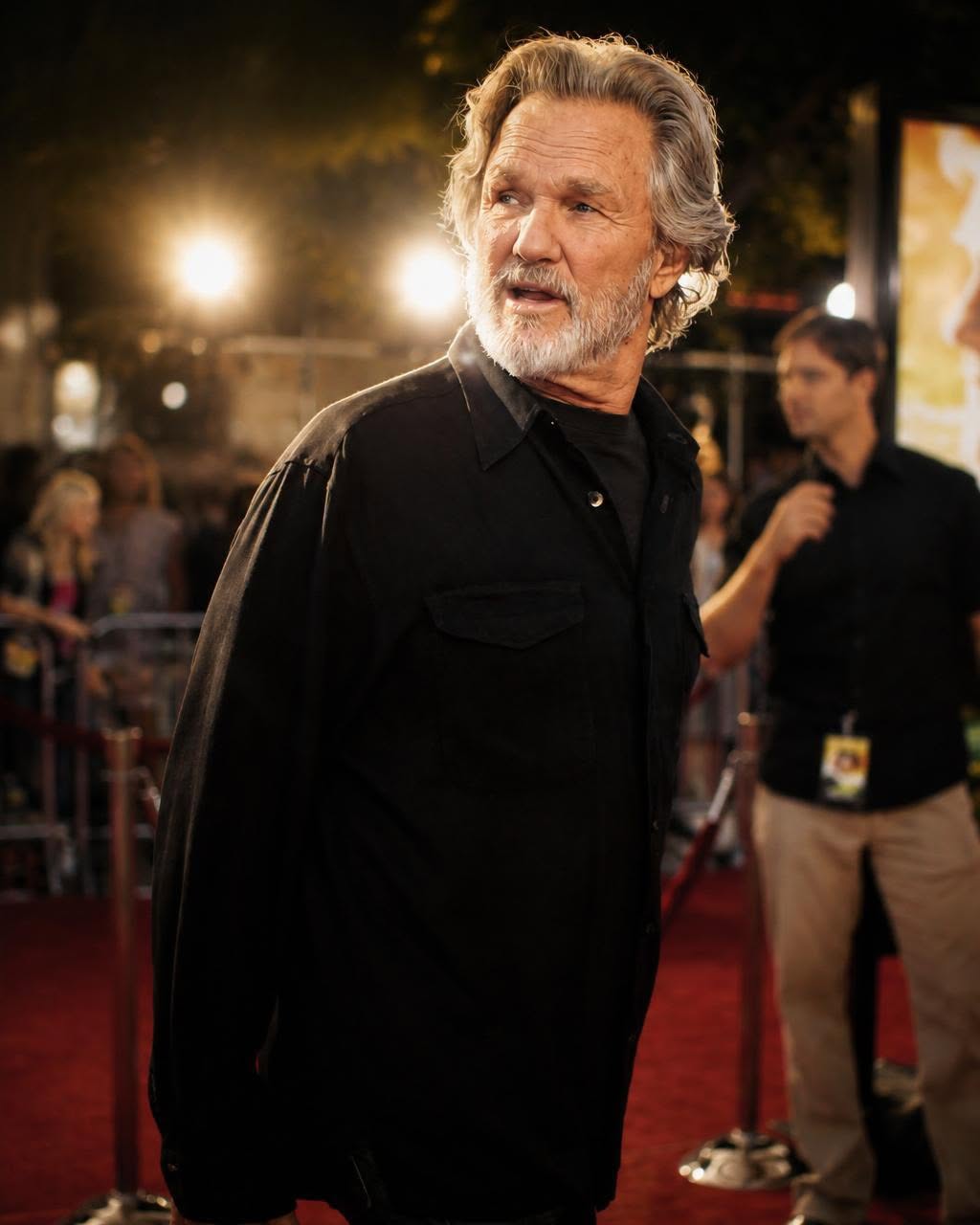
They Saw a Boxer and Assumed He Was Dumb. He Was Studying William Blake at Oxford.
People often mistook Kris Kristofferson for a simple roughneck. He looked like an athlete, moved like one, and carried the easy confidence of a man who had spent years proving himself in physical contests. He boxed. He played football and rugby. He had the kind of frame that made strangers decide who he was before he ever spoke.
That was the mistake.
Behind the fighter’s build was a serious student of literature. Kris Kristofferson graduated Phi Beta Kappa from Pomona College, earned a Rhodes Scholarship, and went to Oxford, where he studied the work of William Blake. He completed a master’s degree in English literature and, even there, kept boxing on the side. The same hands that could throw a punch were also turning pages, chasing meaning, and building a future that nobody could have guessed from a glance.
After Oxford, Kris Kristofferson entered the Army and kept surprising people. He trained as a Ranger and helicopter pilot, rose to captain, and was later offered a teaching post at West Point. It was the kind of stable, respected path many families would have celebrated. Instead, Kris Kristofferson walked away from it in 1965 to chase songwriting in Nashville.
That decision cost him dearly. His family, steeped in military tradition, did not understand why he would leave such a sure thing behind. He had the rank, the training, and the credentials. What he wanted instead was uncertain, risky, and deeply personal. He wanted to write songs.
For a while, the world still underestimated him. Kris Kristofferson worked ordinary jobs to survive, including janitorial work at a recording studio, while also flying helicopters to oil rigs in the Gulf. He wrote songs wherever he could, carrying lines in his head until they found their way onto paper. He was not waiting for permission. He was waiting for the right break.
Then came the moment that changed everything. Kris Kristofferson landed a helicopter in Johnny Cash’s backyard to deliver a demo tape. That kind of audacity matched the life he had lived so far: disciplined, strange, and impossible to dismiss. Cash recorded “Sunday Morning Coming Down,” and the song helped push Kris Kristofferson into a new level of recognition.
He was the kind of man people thought they had figured out too quickly.
But the story only grew larger. Kris Kristofferson went on to write “Me and Bobby McGee,” “Help Me Make It Through the Night,” and many other songs that traveled far beyond his own voice. Other artists recorded his work again and again, turning his words into part of the American songbook.
Kris Kristofferson died in 2024 at the age of 88, remembered not just as a country music legend, but as a rare blend of grit, intellect, and courage. He proved that a man can look like one thing and be something much bigger.